

Keeping Your World Big as You Get Older
Keeping Your World Big as You Get Older
As we get older, one of the greatest risks is not always ill health itself, but the gradual shrinking of our world.
It can happen slowly. Retirement changes daily routines, friends move away, mobility may become more difficult and, sadly, bereavement can remove people who have been part of our lives for decades. Before long, the weekly shop, an appointment or a visit from family can become the main events in someone’s calendar.
For me, living well in older age means doing everything we can to stop that world becoming smaller. Social connection is a hugely important part of our wellbeing. We all need conversation, companionship and a sense that we belong somewhere. Loneliness is not simply about being physically alone either. Someone can have people around them and still feel isolated if they no longer have meaningful relationships, shared interests or a sense of purpose. After more than 20 years working in health and social care, I have seen the difference that connection can make.
When people become isolated, it can affect far more than their mood. Motivation can reduce, people may become less physically active, appetites can change and confidence can gradually disappear. If someone stops going out because they are worried about falling, for example, they may move less. Reduced activity can then lead to further loss of strength, making going out feel even more difficult. Once again, one part of our wellbeing has a habit of affecting another.
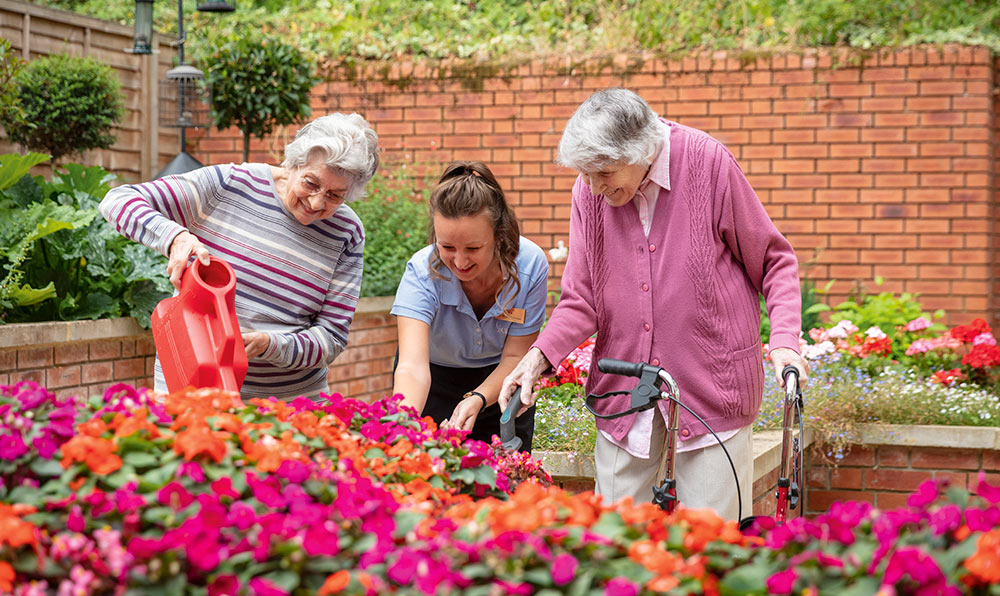
The opposite is also true. Having a reason to get up, somewhere to go or someone to meet can be incredibly powerful. A coffee with a friend, an exercise class, lunch with people we care about, gardening, music or simply having someone to talk to over breakfast can give structure and meaning to a day.
This is one of the reasons I think our understanding of communal living in older age needs to change. Moving into a care setting is sometimes viewed as losing independence, when for some people it can actually reopen a world that has gradually become smaller. Living alongside other people creates opportunities for interaction without forcing it. You might choose to have breakfast quietly one morning and join friends for dinner that evening. There may be activities taking place, gardens to enjoy, people to meet and support available if you need it. The important thing is that the choice remains yours.
At Signature at Surbiton, which opens this October, this principle is central to how we want people to live. Alongside nursing and dementia care, there will be a strong emphasis on wellbeing, physiotherapy, dining, activities and maintaining connections with the wider community.
But ultimately, none of those things should be about filling somebody’s diary for the sake of it. Good communal living should begin with understanding the individual. What did they enjoy before they moved? Who matters to them? What gives them confidence? What would they like to try that they have never done before? Sometimes that might mean joining a group. Sometimes it could simply mean finding one person who shares the same interests.
There is also something important about continuing to make new relationships in later life. We often talk about maintaining old friendships, which is vital, but ageing should not mean that the opportunity to meet new people or have new experiences has passed.
Older age should still contain firsts. The first time trying a new hobby. The first friendship with a new neighbour. The first trip somewhere different. The first meal shared with somebody who was a stranger only a few weeks earlier. Perhaps that is what keeping your world big really means. It is not necessarily about travelling further or doing more. It is about continuing to feel connected, interested, valued and part of something.
Our world may change as we get older, but it should never have to become smaller.
Tom Holden is a Registered Nurse with more than 20 years’ experience across health and social care. As Commissioning General Manager at Signature at Surbiton, he is passionate about helping people maintain independence, wellbeing, meaningful relationships and quality of life throughout later life. If you would like more information please contact: Enquiries.surbiton@signaturesl.co.uk or call Tom on 020 8036 2401.