Meet the Wimbledon High alumna who received a BEM
Meet the Wimbledon High alumna who received a BEM
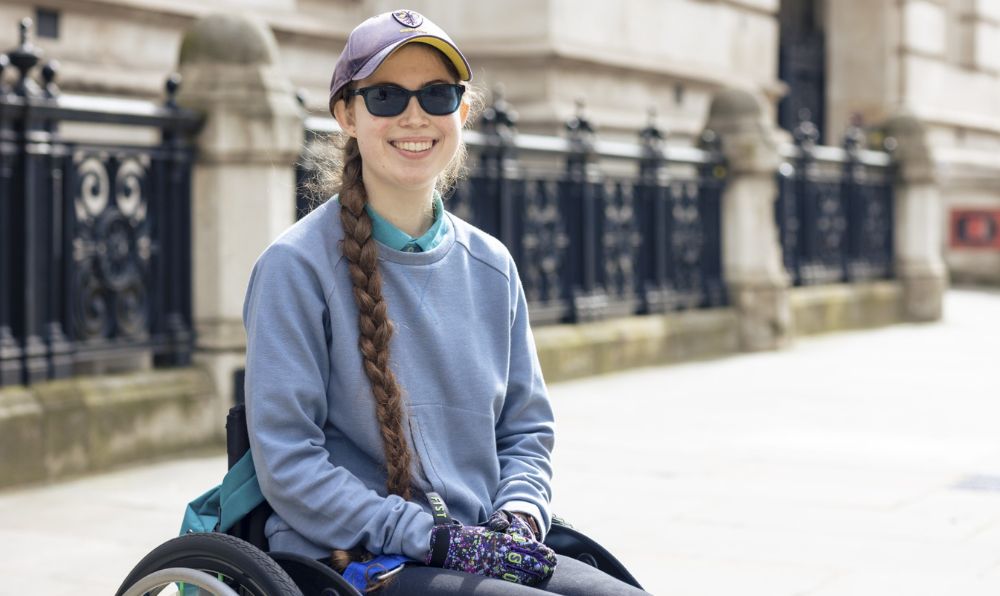
Wimbledon High alumna Rebecca Clarke is a dedicated advocate for young people with disabilities and autism and has been recognised with the British Empire Medal (BEM) in the 2025 New Year’s Honours List.
Photo credit: Spencer McPherson
How did you feel when you learned you were being awarded the BEM?
I felt incredibly excited and honoured when I found out that I was being awarded the BEM. I actually was at university when the letter arrived at home and my dad sent me a photo of the envelope (with “on his majesty’s service” and “ceremonial officer” above my name and address) and he said “mysterious…” and I so wanted to get home to find out what this mysterious letter was.
What does receiving this recognition mean to you personally and professionally?
Personally, it means so much. Sometimes volunteering can be a bit of a thankless task, but to receive this award validates all of the time and effort that I’ve dedicated over the years. It has given me so much more confidence that I am having an impact and also a renewed sense of energy and motivation to continue working to improve society for disabled people
What inspired you to focus your efforts on young people with disabilities and autism?
Being a disabled young person and an autistic young person, I see first hand the difficulties we face in accessing services, education, employment and community. I also see that there is too much that is done for disabled people without consulting us and these typically have far less of an impact as they aren’t made for the people that they are focusing on. We deserve equity and things can improve, we just need to be listened to and worked with.
(Scroll to keep reading)
Can you share some of the key milestones or achievements in your journey that led to this honour?
Some of my first advocacy work was within my secondary school. I shared my experiences and also what needed to be improved to make school more accessible for disabled and autistic people like myself. This then developed into a wider school project, titled “Project Flip” where we aimed to ‘flip the narrative’ on what our school experience is like.
This led to better training for staff, more appropriate reasonable adjustments and more understanding and acceptance from the whole school community. This project has been shared internationally.
I joined the Ambitious About Autism youth network in January 2021 and through that have been involved in multiple projects. I have delivered Autism Explained webinars to companies that have then led to more hiring of autistic people as well as better support for these people, as well as webinars in improving access to healthcare for autistic people and another on how to include autistic members in Girlguiding.
I joined the NCS Youth Voice Forum in February 2022, advising NCS on the key issues for young people, as well as strongly focusing on bringing a voice to disabled people and making the programme more accessible and inclusive, such as by assessing the programmes and their content and making constructive recommendations.
With Whizz Kidz, I had been benefiting from their activity sessions and encouraging younger disabled people who were new to wheelchair life. I then joined their Kidz Board in January 2023. Some of the key projects I’ve been involved in have been the bus pass project and with the Disabled Children’s Partnership Youth Advisory Group, I advised the Disabled Children’s Partnership on key issues impacting disabled young people as well as how to get more lived experience and how to improve their research and evaluation, creating surveys around Education, Health and Social Care, which were then shared with ministers.
What challenges have you overcome?
One of the biggest challenges I’ve faced has been juggling my time across not only all of these organisations and projects but also being in full time education and playing sports. It’s something that I’m still navigating but focusing my efforts on the areas that I’m most passionate about as well as feel I can have the biggest impact in has helped, as well as making the most of the time I do have. Another challenge is not being listened to. I’ve found that the people and places that perhaps need to hear it the most are sometimes the most reluctant to listen and action. Sometimes it helps to focus on small easy changes to start as well as working with organisations that do want to improve and listen.
What changes or improvements have you seen in society’s approach to supporting young people with disabilities and autism?
I think that there is a shift in attitude in that it is recognised more that society is accessible to disabled people and there is more of a willingness to change. Some services have started to be more person-focused, which really enables the person to get the best and tailored support for them. There also is more of a willingness to listen in order to make these changes, for example with the recent creation of the Aviation Accessibility Task and Finish Group.
How has your work impacted the families and communities of the young people you support/advocate for?
Making disabled people’s lives easier and more equitable not only positively impacts the disabled person, but everyone around them and society as a whole. Family trips out using public transport are easier, enabling the focus to be on having happy memories, not on the battles with accessing transport. Improved mental health among autistic people allows more quality time to be spent together as a family and community, as well as improved futures. Inaccessibility negatively affects everyone but accessibility benefits everyone.
What lessons have you learned from working with young people with disabilities and autism?
We have a voice. We want to make change and we can; we just need the right resources, tools and platforms and we need to be listened to. We can. This work has made me more confident and well spoken. I’ve learnt to respect and advocate for my needs more and I’ve seen myself as deserving of this support and adjustments.
Who has inspired you or supported you the most throughout this journey?
My mum. She is constantly taking me to opportunities and supporting me. She encourages me when things get tough. She’s enabled me to do what I have done.
What’s next for you, now that you’ve received this incredible recognition?
I will continue advocating for the needs of young autistic and young disabled people, with a renewed sense of motivation, purpose and drive.