Soft Kitchens: The Cosy Design Trend Transforming Cooking Spaces
This top trend creates relaxed spaces for gathering and unwinding
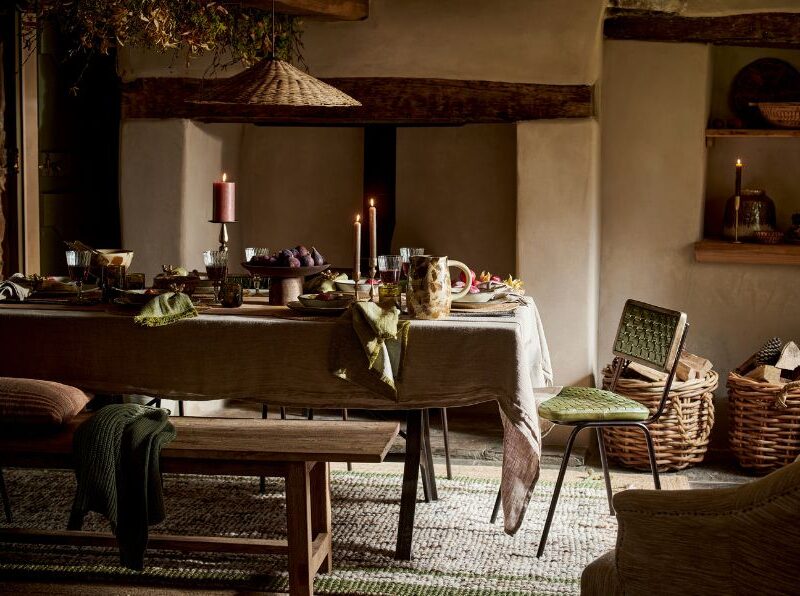
Main image: Barker and Stonehouse
While kitchens have long been referred to as the heart of the home, the soft kitchen trend makes this a reality, blurring the lines between living space and one simply for cooking. Hard surfaces are softened with textiles, comfortable seating areas incorporated, lighting enhanced and personality stamped right through it.
Bring in texture and textiles
Kitchens are traditionally dominated by hard easy-to-clean surfaces, but introducing textiles is one of the simplest ways to soften the space. Upholstered bar stools, cushioned banquette seating and fabric window treatments instantly make the room feel more comfortable and lived-in. Adding a rug underfoot not only provides warmth but also helps define zones in open-plan layouts. Even small details: linen napkins, boucle cushions, wicker chests, can have a big impact. These softer touches balance out sleek cabinetry and appliances, creating a more relaxed atmosphere.
Pictured: Herringbone, Braided Rug Company, Oliver Bonas
Embrace warm, earthy colours
The soft kitchen trend moves away from stark white or dramatic colours in favour of warmer, more grounded tones. Shades like chocolate brown, sandy beige and soft sage green create a calming backdrop that feels inviting. These hues pair beautifully with natural materials and help the kitchen flow seamlessly into adjoining
living spaces. If you prefer something lighter, subtle pastels can also work well, offering a tranquil and airy feel without losing warmth.
Pictured: The Main Company, Alternative Flooring
Introduce curated displays
A soft kitchen isn’t about hiding everything behind closed doors. Instead, it embraces a balance of open and closed storage to create a more personal, relaxed look. Open shelving allows you to display cookbooks, ceramics, glassware and pantry staples, turning everyday items into part of the décor. The key is curation, grouping objects thoughtfully so the space feels styled rather than cluttered. This approach adds character while keeping essentials within easy reach. Bring in artwork, too.
Pictured: The Main Company, Beach House Art, MacKenzie-Childs
Sociable seating areas
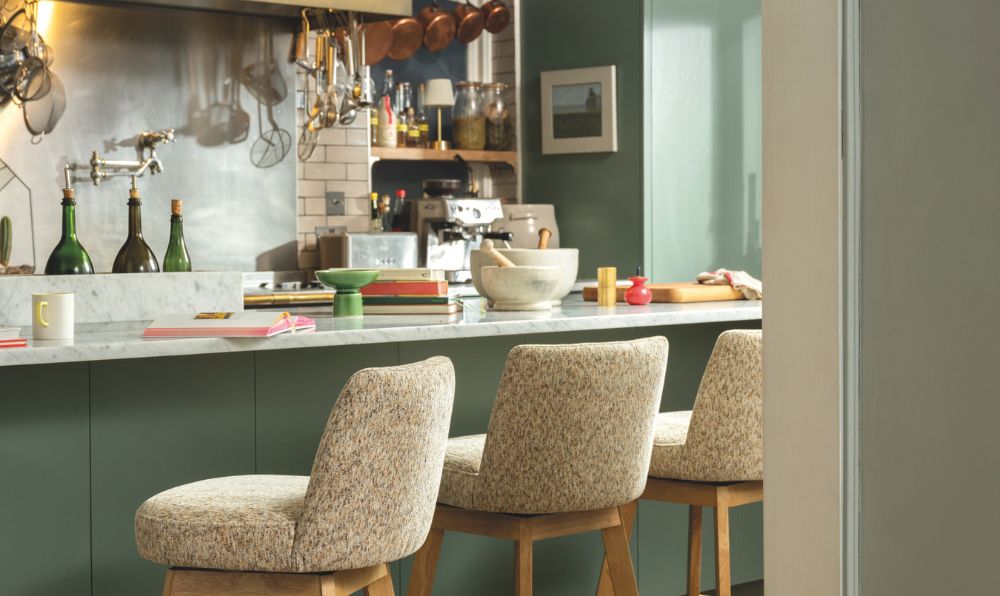
The essence of a soft kitchen lies in how it’s used. Comfortable seating encourages people to linger, transforming the space into somewhere for conversation as well as cooking. An island with stools, a built-in window seat or even a small armchair can make a big difference. These additions invite guests and family members to settle in, whether for a quick coffee or a long evening of entertaining. In smaller kitchens, a counter with bar stools can create a place in which to perch.
Pictured: Herringbone
Choose natural materials and tactile finishes
Materials play a key role in defining the softness of a kitchen. Wood, natural stone and rattan all add depth and texture while bringing an organic, authentic quality to the space. Consider wooden cabinetry and stone worktops for visual interest. For flooring, wide wooden planks in warm tones can ground the room and make it feel more cohesive. Tactile finishes, such as fluted wood panels or handmade tiles, add another layer of richness that elevates the overall design.
Pictured: Knot & Grain, Furniture Village
Layer your lighting
Lighting plays a crucial role in setting the tone of a soft kitchen. Instead of relying on a single overhead fixture or spotlights, introduce layers of light to create warmth and flexibility. Combine task lighting for cooking areas with softer ambient lighting and decorative fixtures. Pendant lights in brass or copper finishes, wall sconces and woven shades all add texture and visual interest. By varying light levels, you can shift the mood from bright and practical to soft and atmospheric, making the kitchen feel cosy at any hour.
Pictured: Herringbone, Industville, Furniture Village