7 ways to live longer and better
7 ways to live longer and better
With longevity such a hot topic, we look at what the experts actually agree on when it comes to ageing well…
There has been a lot of headline-grabbing stories of how to extend your lifespan – with no shortage of extreme examples, from plasma transplants to guzzling vitamins by the truckload. Fortunately, the conversation is moving away from the hype to the everyday habits that will not just extend your lifespan but also your healthspan – the number of years you live well. What’s more, given that only 20 to 35% of our longevity is down to our genes, the rest is very much in our control.
1
Sleep well, reduce stress
Good sleep habits are linked to living longer, up to five extra years for men, two for women. But it’s not just quantity but quality – so as well as getting the typical 7–8 hours of sleep a night, you also need to have minimal problems falling or staying asleep, not relying on sleeping medication and waking rested most days. Meanwhile, stress has a huge impact on the body and makes us age faster so get it under control – whatever works for you… sound baths, mindfulness, forest bathing, baking, getting a pet, stargazing, watching the sun rise.

2
Get off social and socialise
Loneliness can impact your lifespan: the World Health Organisation reports that one in six people globally is lonely, with loneliness linked to heart disease, stroke, diabetes and cognitive decline. In Okinawa, people form moai: lifelong friendship groups that offer emotional, practical and even financial support. Imagine a group chat that actually shows up. Think deeper bonds, more dinners, fewer doom-scrolls.

3
Find your purpose
Purpose doesn’t need to be noble or Instagrammable. It just needs to exist. Research shows people with a sense of purpose are less likely to become inactive, develop sleep problems or struggle with unhealthy weight, and their brains work better too. Volunteering your skills, mentoring, and hobbies with an end goal can give you purpose. Purpose also evolves through the decades – what you strived for in your 30s is likely to look different in your 60s.
4
Move often, preferably outdoors
While no one disputes that exercise is essential for a healthy long life, debate rages over what exercise is best. But if you look at what people in Blue Zones (the areas with high numbers of centenarians) have in common, they move daily and because they have to. No one is suggesting you herd goats across mountainous terrain, unless you feel the need, but there are lessons we can take. Get outdoors, soak up the daylight. Almost all Okinawan centenarians grow or once grew a garden: daily physical activity, purpose, as well as stress relieving. The NHS recommends at least 150 minutes of moderate activity a week (eg brisk walking) or 75 minutes of vigorous activity (like running), plus strengthening activities (such as heavy gardening, yoga and Pilates) at least twice a week.
5
In balance
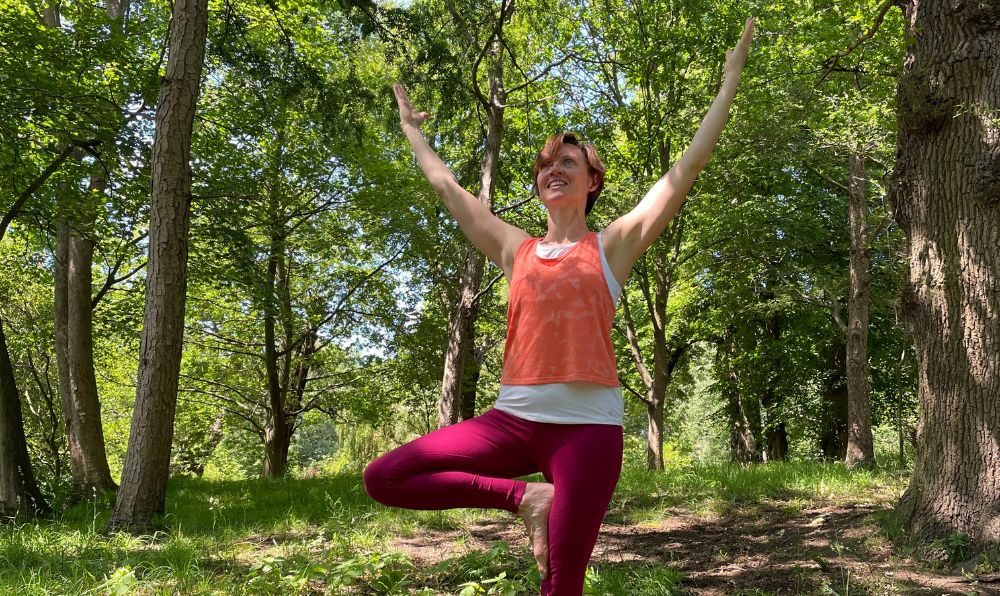
As we grow older, we lose some of our ability to balance, so one of the best things you can do, at any age, is to practise standing on one leg, says Alex Reed of Good Life Yoga. Practice the Tree Pose: Stand on one leg with your arms out to the sides; you can rest one hand lightly on a wall for support. Lift your other foot off the floor and place it against your standing leg, turning the raised knee slightly outwards. Your foot can rest at your ankle, calf or thigh, depending on your flexibility. Research shows that not being able to stand on one leg for 10 seconds in midlife or later is linked to nearly double the risk of dying in the next decade as it is a sensitive sign of how well our neuromuscular system is ageing.

6
The power of dance
Dancing ticks multiple longevity boxes at once: movement, balance, cognitive challenge, social connection and joy. It doesn’t matter if it’s a class, a wedding floor or your kitchen at 9pm. If it makes you move and smile, it counts, and you’re far more likely to keep doing it. We’ve loved hearing how one Wimbledon local is still taking to the dance floor regularly at almost 100.

7
Hear and see better, live longer
Untreated sight and hearing problems contribute to social withdrawal and increased risk of dementia. One major study found people who regularly use hearing aids have a 24% lower risk of premature death. Turns out staying in the conversation is very good for your brain, and your lifespan. Meanwhile, regular eye exams can spot early signs of diabetes, high cholesterol and high blood pressure. Movement, sleep, hydration and lutein-rich foods like kale, spinach and egg yolk all help eyesight. Smoking, meanwhile, really does not.