South West London Restaurants Raising The Bar On Weekend Dining
South West London Restaurants Raising The Bar On Weekend Dining
Weekend dining has quietly become something different in South West London. It’s no longer just about filling a table on a Saturday, it’s about crafting an experience worth leaving the house for. Diners are arriving with higher expectations, sharper opinions, and a genuine appetite for something memorable. Restaurants across the area are responding in kind.
The change is partly cultural, partly economic. Hybrid working has restructured how people socialise, and weekends carry more weight now as the designated time for meaningful connection. Food has become the centrepiece of that social ritual, and the neighbourhood restaurant has inherited a role once reserved for destination dining in the city centre.
What Diners Actually Expect Now
Expectations have genuinely changed. According to Resdiary’s 2025 hospitality trends report, 27% of respondents plan to dine out more this year, with 53% citing more opportunities to spend time with friends as the main reason. That social motivation matters, it tells restaurants that atmosphere and occasion are as important as the food on the plate.
Menus are being scrutinised more carefully, too. Health-conscious choices, plant-based options, and seasonal sourcing have moved from niche to expected. Diners across South West London and Surrey aren’t just looking for a good meal; they want a venue that reflects their values and rewards a proper night out.
Saturday Lunch As A Proper Occasion
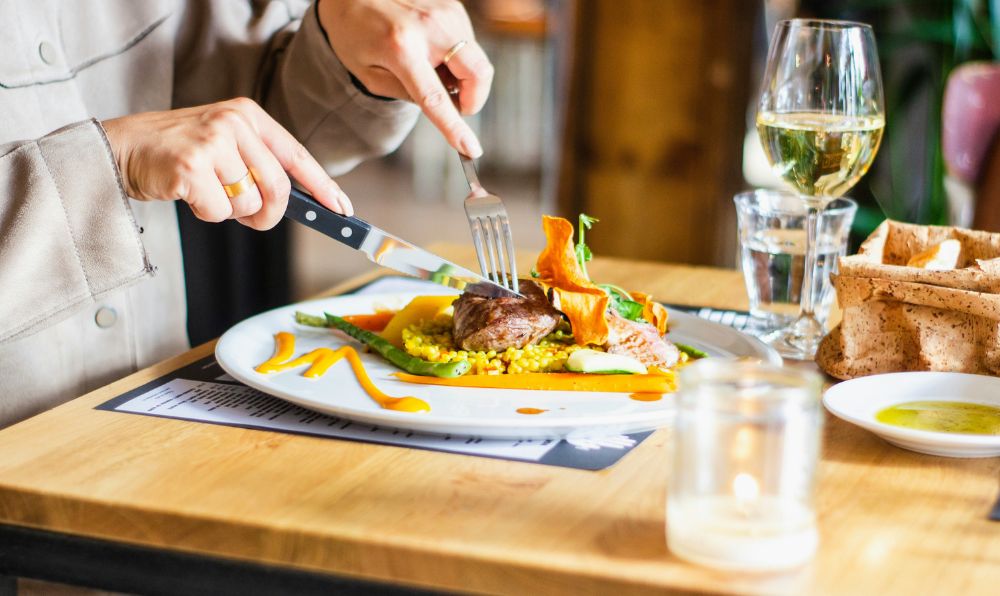
Several local restaurants have recognised that Saturday lunch is no longer a casual affair; it’s become an occasion in its own right. Long, leisurely lunches with thoughtful wine pairings, seasonal tasting menus, and service that doesn’t rush the table have become a genuine draw in neighbourhoods like Richmond, Wimbledon, and Twickenham.
This ambition is visible across independent kitchens that once kept things simple. Chefs are investing in produce, refining techniques, and treating Saturday service with the seriousness it deserves. The result is a lunch culture that genuinely competes with dinner, and for many regulars, has overtaken it entirely.
How Recreation Spending Habits Are Changing
Leisure spending in the area is developing in ways that go beyond just restaurants. Consumers are making better choices about where discretionary income goes, prioritising genuine quality over convenience. This selectivity is visible in everything from boutique fitness studios to theatre bookings, and dining sits squarely at the centre of that shift.
The same discerning approach applies in other sectors. Platforms offering alternatives, whether it’s independent travel booking, streaming services, or sports. For example, betting sites not on gamstop tend to give users a much bigger betting market, allowing them to select football, rugby, or tennis. Users can now stream the match live on weekends and adjust their in-play bets as the game unfolds.
That mindset, applied to dining, means local restaurants need to work harder to earn loyalty. The venues doing it well are thriving. Those that aren’t are finding it harder to compete in a market where consumers are no longer spending out of habit. People are weighing up value, experience, and flexibility across every part of their leisure time, and dining is being judged against everything else that competes for attention. It’s no longer just about a good meal, it’s about whether the overall experience holds up against the growing number of alternatives.
The Neighbourhoods Quietly Leading The Way
Richmond and Barnes have long held strong dining reputations, but there’s genuine momentum further south and west. Restroworks’ London restaurant industry data shows that 44% of London diners reported eating out more often over the past year, a statistic that reflects growing confidence across neighbourhood dining more broadly.
Sheen, Surbiton, and Kingston are producing kitchens that would hold their own anywhere in the capital. These aren’t flash-in-the-pan openings chasing trend cycles, they’re considered, community-rooted restaurants building loyal followings one Saturday at a time. What’s emerging across South West London is a dining culture that doesn’t need to look towards central London for validation anymore. The bar has been raised locally, and it keeps climbing.