Luxury Bathroom Features SW London Homeowners Are Prioritising In 2026
Luxury Bathroom Features SW London Homeowners Are Prioritising In 2026
In today’s most considered SW London homes, the bathroom has moved far beyond function. It is a space shaped by ritual, restoration and atmosphere, where early mornings begin quietly and evenings slow down into moments of calm.
Across Wandsworth, Richmond and Wimbledon, luxury bathroom renovation is increasingly centred around materiality, proportion and permanence. Homeowners are moving towards interiors that feel timeless rather than trend-led, combining sculptural forms, tactile finishes and thoughtful layouts that support daily life with understated sophistication.
These are the features defining luxury bathroom design for 2026.
1. Corner Shower Zones Built Around a Considered Tray Choice
Walk-in showers continue to define luxury bathroom design, more so in homes where openness and visual flow are prioritised. Rather than feeling enclosed or purely functional, the shower zone is increasingly treated as an integrated architectural feature within the room.
A quadrant shower tray works well in corner layouts, softening the geometry of the space while creating a cleaner transition between the shower and the floor area. Combined with frameless glass and stone resin finishes, the result feels refined, balanced and quietly contemporary.
That softer, more space-aware approach is reflected across many of the premium quadrant shower tray ranges now available through retailers such as Heat and Plumb, where this style suits both compact London bathrooms and larger spa-inspired layouts. The wider range of tray sizes and profiles available today gives homeowners far more flexibility when refining layouts without compromising the calmer, more open feel that defines modern luxury interiors.
2. Freestanding Baths Positioned as a Design Object
Freestanding baths remain central to luxury bathroom design, although the aesthetic has become softer and more sculptural in recent years. Low-profile silhouettes, curved forms and matte stone finishes are replacing more traditional styles, creating spaces that feel calmer and more architectural.
Placement plays an equally important role. Positioned beneath a full-height window or given space centrally within the room, a freestanding bath creates balance and brings a sense of quiet luxury to the wider layout.
The strongest SW London renovations treat the bath as part of the room’s overall composition rather than a standalone fitting. The result is a bathroom that feels intentional, restorative and timeless.
3. Underfloor Heating Removing Radiators From the Wall
Luxury bathroom design is increasingly defined by what is removed from the room as much as what is added. Underfloor heating has become a preferred choice in renovations because it allows walls to remain uninterrupted and layouts to feel cleaner and more composed.
Without bulky radiators competing for wall space, fitted joinery, stone surfaces and large-format tiles become more prominent within the design. Towel rails remain, but in premium renovations, they are increasingly specified as slim, minimal designs that complement the wider palette rather than interrupt it. The room immediately feels calmer and more considered.
Beyond aesthetics, underfloor heating also changes the experience of the space itself. Combined with smart controls and porcelain flooring, it introduces a sense of quiet comfort that feels aligned with the more spa-inspired direction luxury bathrooms are taking.
4. Large-Format Porcelain and the Reduction of Grout Lines
Large-format porcelain continues to dominate luxury bathroom interiors because of the calm, uninterrupted surfaces it creates. Fewer grout lines allow the room to feel more expansive and visually cohesive, particularly in London homes where space is often carefully considered.
Marble-effect porcelain remains popular, combining the elegance of natural stone with the practicality required for modern living. Warm neutral tones and matte finishes are replacing cooler high-gloss styles, reflecting the shift towards quieter interiors.
Textural details are still being introduced selectively through fluted tiles and feature walls, although restraint is key. The most refined spaces use texture sparingly, allowing materials and proportion to speak for themselves.
5. Thermostatic Shower Systems as the Default Specification
In premium home renovations, thermostatic shower systems have become an expected part of the specification rather than an optional upgrade. The emphasis is now on creating bathrooms that feel seamless and intuitive to use every day.
Consistent water temperature, concealed controls and integrated outlet systems all contribute to a more refined experience. Digital systems are becoming increasingly common, especially in larger family homes and design-led apartment renovations.
As bathrooms continue to move towards a more wellness-focused aesthetic, these quieter technical details are playing a much larger role in shaping how the space feels overall.
6. Vanity Furniture Fitted to Kitchen-Standard Joinery
Bathroom furniture is becoming increasingly architectural in higher-end homes, with fitted vanity units designed to feel more closely aligned with bespoke kitchen joinery.
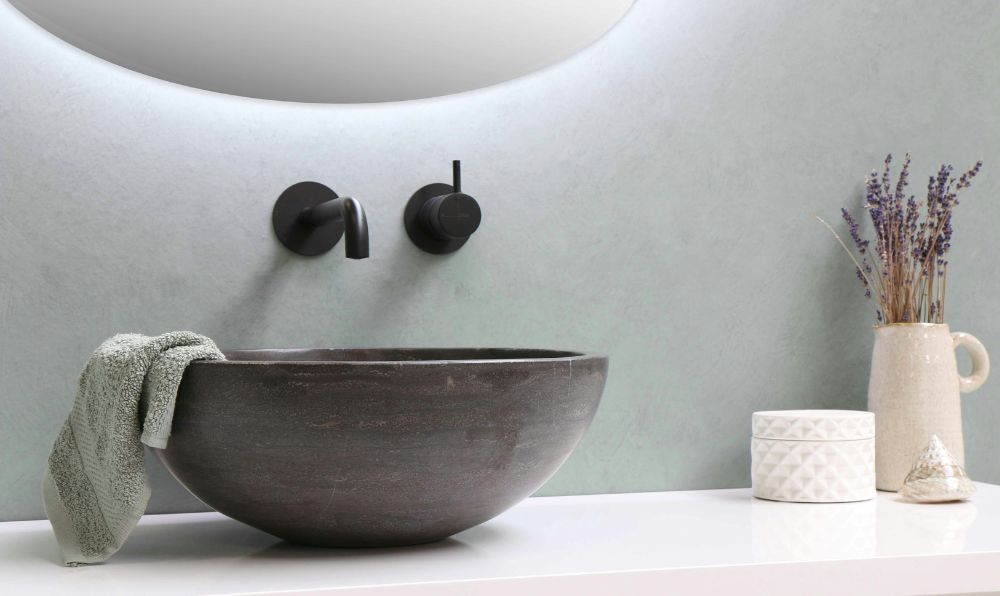
Stone worktops, recessed handles, integrated lighting and full-width drawer storage create a cleaner visual language throughout the room. At the same time, recessed niches and mirrored cabinetry help maintain the uncluttered surfaces now associated with luxury bathroom design.
The effect is subtle but transformative. Bathrooms feel calmer, more tailored and far more connected to the wider interior style of the home.
7. Hardware Finishes Specified at the Same Stage as Tiles
The most refined bathroom renovations consider hardware finishes far earlier in the design process. Taps, shower frames, handles and towel rails are now specified alongside tiles, so the entire palette feels cohesive from the outset.
Brushed brass continues to lead in 2026, bringing warmth and softness to stone, timber and porcelain surfaces. Matte black remains popular within more minimal interiors, particularly where stronger contrast and sharper lines are desired.
Some projects are beginning to combine finishes with greater confidence, layering brushed brass with matte black accents to create bathrooms that feel more curated and individual without losing their sense of restraint.
Planning a Bathroom Renovation?
The luxury bathroom projects standing out right now all tend to share the same qualities. Better layouts, more considered materials, and details that have been planned early rather than added at the last minute.
If a walk-in shower is part of your renovation, it’s worth researching the tray and enclosure before the room layout is fixed. The footprint of the shower zone affects how the entire bathroom flows.
A curved shower tray works well in corner layouts where you want softer lines and better movement through the room.
Either way, getting those decisions right early usually leads to a cleaner final result and far fewer compromises once installation begins.