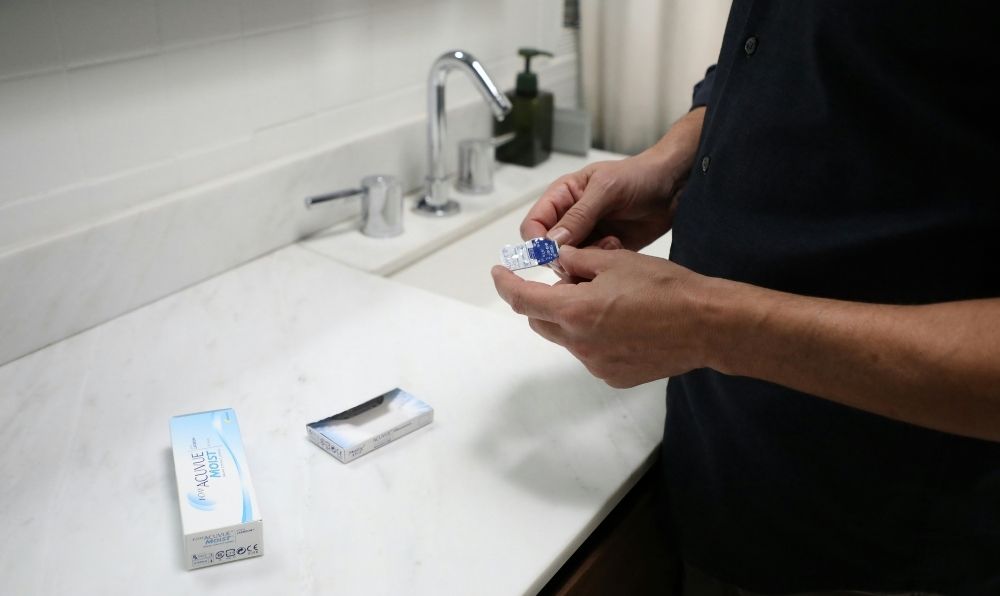
How Long Should You Wear Continuous Wear Contact Lenses?
How Long Should You Wear Continuous Wear Contact Lenses?
Yes, contact lenses you can sleep in do exist. They’re called continuous wear or extended wear contact lenses, and they’re specifically designed and approved for overnight use, unlike standard daily or monthly lenses. Not every contact lens is safe to sleep in, so the type you’re currently wearing matters just as much as how tired you are at bedtime.
This guide covers how continuous wear contact lenses work, how many nights in a row you can safely wear them, and how to know if they’re a good fit for your lifestyle.
What Are Continuous Wear Contact Lenses?
Continuous wear contact lenses are made from highly breathable material, usually silicone hydrogel, that allows enough oxygen through to the cornea even while your eyes are closed for hours at a time. This is what separates them from standard lenses, which aren’t designed to be worn during sleep. If you’re considering making the switch, it’s worth looking at a proper extended wear contact lenses designed specifically for overnight use, rather than assuming any lens can be safely slept in.
Regular daily or monthly lenses restrict oxygen flow far more once your eyes are shut, which is why wearing them overnight increases the risk of irritation and infection.
How Long Can You Sleep in Continuous Wear Contact Lenses?
This depends on the specific lens and what your optician approves, not a fixed universal number.
- Some continuous wear lenses: Approved for up to 6 nights in a row before removal
- Others: Approved for up to 29 nights, depending on the material and your individual eye health
- First-time wearers: Usually start with shorter wear periods, extending gradually once your optician confirms your eyes tolerate it well
Your optician will set your specific wear schedule based on a fitting, not just the lens packaging.
Are Continuous Wear Contact Lenses Safe for Everyone?
Not automatically. Continuous wear suits some eyes better than others, and a proper fitting is what determines whether you’re a good candidate.
According to the American Academy of Ophthalmology, sleeping in any contact lens increases the risk of corneal infection compared to removing lenses nightly, even with lenses approved for overnight wear. This risk is lower with continuous wear lenses specifically designed for the purpose, but it isn’t zero.
People with a history of dry eyes, previous eye infections, or certain corneal conditions may not be suitable candidates. This is exactly why continuous wear lenses require a specific fitting rather than simply switching over from daily or monthly lenses.
Continuous Wear vs Daily Disposables: What’s the Real Difference?
The core difference comes down to material and oxygen permeability, not just marketing language.
- Continuous wear lenses: Higher oxygen transmission, approved for sleeping in, replaced on a longer schedule set by your optician
- Daily disposables: Designed for single-day use only, removed before sleep, discarded each night
Wearing daily disposables overnight isn’t a safe substitute for genuine continuous wear lenses, even if it seems convenient in a pinch.
How to Get Fitted for Continuous Wear Contact Lenses
Getting properly fitted is what makes continuous wear safe, rather than something you decide on your own.
- Book a contact lens fitting, separate from a standard eye test.
- Discuss your lifestyle and sleep habits honestly, since this affects which wear schedule is appropriate.
- Start with a trial period, often a shorter overnight schedule before extending further.
- Attend follow-up check-ups to confirm your eyes are tolerating continuous wear well.
Skipping the fitting and simply sleeping in whatever lenses you already own is the most common way people run into problems.
Frequently Asked Questions
Can I sleep in any contact lenses if I’m too tired to take them out? No. Only lenses specifically approved for continuous or extended wear are designed to be safe overnight. Sleeping in standard daily or monthly lenses significantly increases infection risk.
How many nights in a row can you wear continuous wear contact lenses? This varies by lens type and your optician’s recommendation, ranging from a few nights up to around a month, depending on the specific product and your eye health.
Do continuous wear contact lenses cost more than regular lenses? Often yes, since the material and manufacturing process differ. The cost is usually offset by not needing daily replacement.
Can I switch straight to continuous wear from daily disposables? Not without a new fitting. Your optician needs to confirm your eyes can tolerate the different oxygen and moisture demands of overnight wear first.
What should I do if my eyes feel dry after sleeping in contact lenses? Remove them and use rewetting drops recommended by your optician. Ongoing dryness is a sign to book a check-up rather than continuing the same wear schedule.
Contact lenses you can sleep in are a genuine option for the right person, but they only work safely with the right lens type and a proper fitting behind them. Skipping that step is where most problems start.