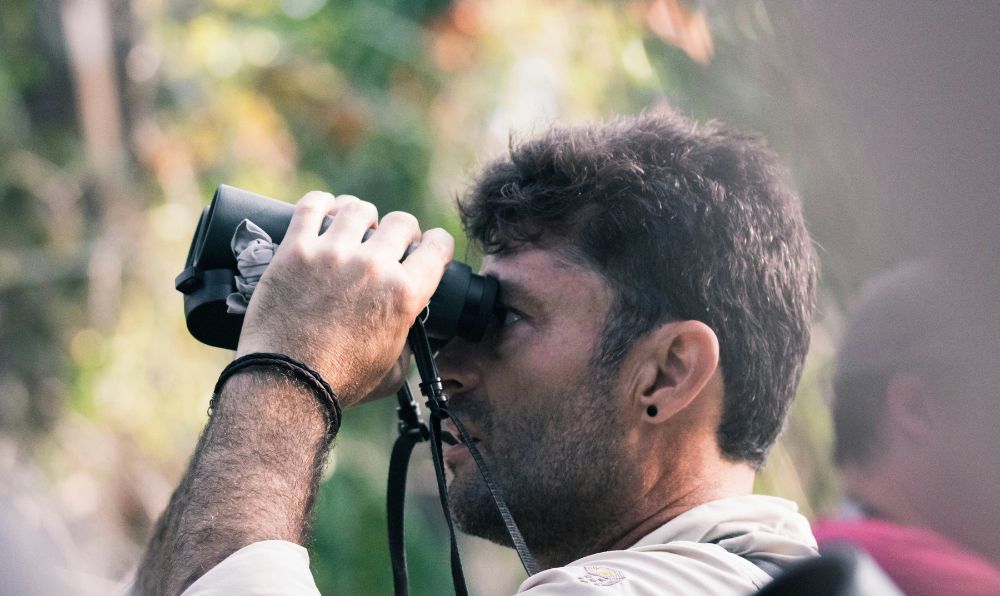
Ultimate guide to birdwatching in Rwanda
Ultimate guide to birdwatching in Rwanda
The diverse habitats and the pristine surroundings across Africa are home to nearly 2500 species of birds, presenting a virtual avian feast for visiting “twitchers”.
While there are countries with more species, on a Rwanda birdwatching tour one can hope to tick-off the most sought after Albertine Rift Endemic species not to be found anywhere else.
So whenever you fancy traveling to Rwanda, you can be assured to come across plenty of interesting bird watching opportunities, providing you set the early morning alarm right.
Another way to ensure you find the birds you are looking for is to go via experienced tour providers like Far & Wild Travel and personalize your itinerary.
Best time to visit Rwanda for birding
While birdwatching is a year-round activity in Rwanda, the period between mid-December to January, which is the short dry season, is a particularly good time to see the Pele-arctic and Eurasian migrants.
The Rwanda Development Board has established an excellent infrastructure with knowledgeable guides to take visitors birding all over the country.
During the peak period, a large number of migratory species, which you cannot see at other times of the year, make the parks and wetlands their home.
Moreover, the temperature at this time hovers around 20 degrees C during daytime, which is perfect for spotting birds from the various watch towers, canopy walks and walking trails spread all over Rwanda.
What to pack
Evenings and mornings can be chilly so warm clothes are recommended, while your typical safari wear should be both comfortable and casual.
The days can get quite hot during some months in a year, so carry a sun hat and high SPF sunscreen for UV protection.
Due to limited space on the small airplanes, it is advised to pack all things in one bag of not more than 15 kg, being the luggage limit for local flights.
The best places to go birding
Almost 10% of the surface area of Rwanda is covered by marshes and wetlands which are a haven for swamp-dwelling and water loving birds, besides the popular Albertine Rift Endemics.
Throughout this small, but remarkable country, a few birding areas stand-out as a true mecca for the avid avian enthusiast.
Rwanda has 29 Rift Valley endemics which are found spread in the high-altitude rainforest areas of the national parks of the country. These are:
- Albertine boubou
- Archer’s robin chat
- Albertine owlet
- Black-faced apalis
- Blue-headed sunbird
- Congo bay owl
- Dusky crimsonwing
- Grauer’s warbler
- Grauer’s francolin
- Kungwe apalis
- Neuman’s warbler
- Red-collared babbler
- Purple-breasted sunbird
- Red-faced woodland warbler
- Red-throated alethe
- Regal sunbird
- Rockefeller’s sunbird
- Ruwenzori apalis
- Rwenzori batis
- Rwenzori nightjar
- Rwenzori turaco
- Strange weaver
- Rwenzori double-collared sunbird
- Schouteden swift
- Stripe-breasted tit
- Willard’s sooty boubou
- Yellow-eyed black flycatcher
Akagera National Park
Home to Africa’s largest protected wetlands systems, the Akagera National Park is where you can find the prehistoric looking shoe-bill stork and the papyrus gonolek.
Until now over 490 species of birds have been recorded here and the compact layout makes sure for a convenient access to the various birding habitats to document an impressive bird list.
Other notable species found here are the African fish eagle and the red-faced barbet which you can spot easily in the vicinity of the Akagera Hame Lodge.
Other noteworthy species seen are Bennet’s woodpecker, white-winged swamp warbler, grey-crowned crane and the shoebill which is seen quite regularly in the park.
Lake Ihema
Not far from the Akagera National Park, another captivating birding experience can be had by a boat safari on Lake Ihema for splendid views of water birds of Rwanda.
There are excellent chances of spotting the African finfoot from the deck of the Ruzizi Tented Lodge. At night, a nocturnal birding adventure can turn up with rarities like the Verreaux’s eagle owl and some nightjar species.
Nyungwe Forest National Park
The Nyungwe National Park occupies an area of over 1000 sq kms and boasts of around 300 species of birds, of which as many as 27 are endemic to the region.
In addition to birds, the park holds 13 species of primates which one can come across while birding including the largest troupe of 400 colobus monkeys.
Birders have confirmed sightings of the handsome francolin, stripe-breasted tit, Rwenzori turaco, Archer’s robin chat and regal sunbird, Albertine owlet, Lagden’s bush shrike among others.
Volcanoes National Park
While many tourists come to Volcanoes National Park to see the mountain gorilla and the golden monkey, birding in the Bhujanga region of the park is also an equally popular activity with a list of nearly 100 species.
Birders here are most likely to see the uncommon African pitta, a trans-African migrant, besides some notable birds like handsome francolin, red-faced warbler, collared apalis and the dusky crimsonwing besides weaver birds and cisticolas.
Other birds you are likely to encounter here are similar to the ones in Nyungwe National Park except for the striking scarlet-tufted sunbird. Those eager to see this captivating bird will need to trek to the peak of Mt. Bisoke.
Lake Kivu
Located an hour’s drive from the Volcanoes National Park, Lake Kivu is another popular birding hotspot of Rwanda enjoying a stunning uninhabited forest surrounding.
Visitors usually opt for a boat ride to encounter water birds which include a thriving population of white-breasted cormorants as well as great sightings of the pied kingfisher and the osprey.
The grounds of the various lodges located around the park can be a haven for birders. Expect to catch a glimpse of the double-toothed barbet, yellow-bellied waxbill, familiar chat, brown-throated wattle eye and spot-flanked barbet, all regular residents of this region.
Giswati Forest Reserve
Located in the west of the country, the Giswati National Park is a new addition which focuses primarily on rehabilitation of the forest areas.
Though still undergoing development, the park is home to about 232 bird species featuring both forest birds and Albertine Rift Endemics.
Rwanda’s wetlands and marshes
Birding International has recognised areas like the Akanyaru and Rugezi wetlands as important birding habitats, with the latter enjoying the distinction of being the country’s only Ramsar site.
These wetlands together are home to a thriving population of bird species such as Grauer’s swamp warbler, grey-crowned cranes, papyrus canary and also occasional sightings of the papyrus yellow warbler.
A boat ride on Lake Nyaga Funzo will provide excellent opportunities for spotting water birds like the white-backed duck and lesser jacana, both found commonly here.
In the Bugesera district, to the southwest of Kigali, there are fantastic birding opportunities in one of the most easily accessible region in Rwanda.
Here you can see the papyrus gonolek, white/collared oliveback and white-backed duck and many more.
Moreover, the area is home to the blue-naped mousebird, red-chested sunbird and the palm nut vulture and some other savannah species to provide an enthralling Rwanda birdwatching experience.