5 ways to take control of your health
Taking Control of Your Health: Five Everyday Fundamentals That Matter More Than You Think
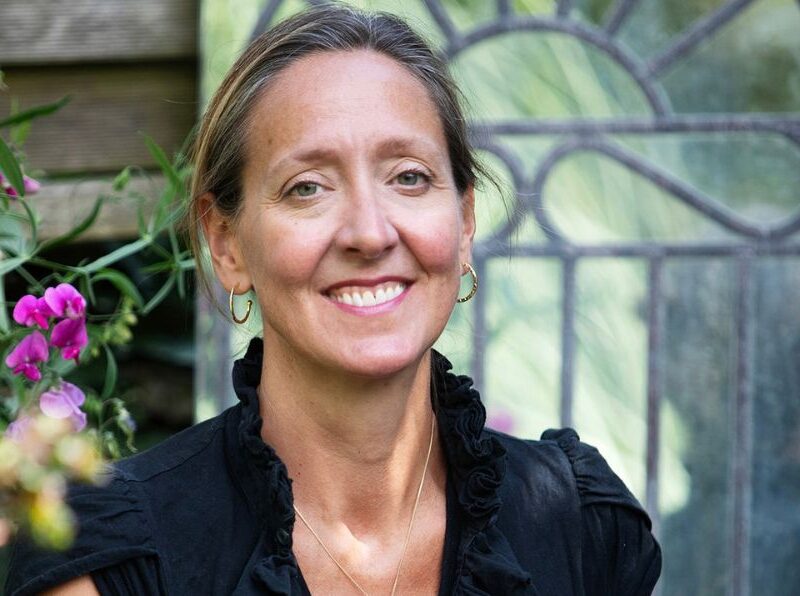
By Dr Joan Pattle, General Practitioner, Cleveland Clinic London
When people talk about “being healthy,” the conversation often jumps straight to diets, workouts, or the latest wellness trend. But true health is far broader—and far more achievable—than most of us realise.
According to Dr. Joan Pattle, general practitioner at Cleveland Clinic London, long-term wellbeing is built on a handful of everyday habits that influence not only how we feel today, but how we age over time. The good news? Small, consistent choices can make a meaningful difference, no matter your starting point.
Together, these five pillars form the foundation of a healthier, more resilient life.
Sleep: The Quiet Health Signal We Ignore
Sleep is often the first thing sacrificed when life gets busy, yet it is one of the earliest indicators that something may be out of balance. Poor sleep doesn’t just leave you tired, it can affect mood, concentration, immune health, and even increase the risk of longer‑term health problems.
Good “sleep hygiene” doesn’t require perfection. Simple steps like consistent bedtimes, limiting screens late at night, and creating a calm sleep environment can help reset healthy patterns.
Nutrition and Weight: Finding Balance, Not Extremes
Nutrition is not about rigid rules or extremes. Being both underweight and overweight can carry health risks, but sustainable health focuses on balance rather than restriction.
Maintaining a healthy weight supports heart health, metabolic health, and reduces the risk of conditions such as diabetes and fatty liver disease. It also plays a role in cancer prevention. Equally important is being mindful of habits that creep in during periods of stress, for example, relying too heavily on comfort foods or alcohol as coping mechanisms.
Exercise: The Most Underrated Health Tool
Movement is one of the most powerful and under‑prescribed tools for health. Regular physical activity supports cardiovascular fitness, muscle strength, mental wellbeing, and long‑term independence.
Whether it’s walking, strength training, swimming, or simply moving more throughout the day, the key is consistency rather than intensity. Even reducing long periods of sitting can make a difference.
Avoiding Toxins: Less Is More
Alcohol, smoking, vaping, and drugs all place stress on the body and raise the risk of chronic disease. While moderation looks different for everyone, being mindful about exposure and reducing where possible can have health benefits over time.
Social Connection: The Overlooked Pillar
Loneliness has quietly become one of the most significant threats to wellbeing. Strong social connections support mental health, emotional resilience, and even longevity.
Whether it’s family, friendships, work relationships, or community involvement, regular social interaction plays an important role in how we cope with stress and stay emotionally well. It doesn’t require a full diary ,just meaningful connection.
Health Checks: Personal, Not One‑Size‑Fits‑All
Alongside daily habits, regular health checks matter—but they should always be tailored. Age, personal history, and family history all influence what screenings are appropriate, from blood pressure and cholesterol checks to cancer screening and heart health assessments.
The most important step is having open conversations with your doctor or GP, ensuring care is personalised.
At its core, health is not about doing everything perfectly all the time. Life has seasons—career pressures, family commitments, unexpected challenges—and wellbeing needs to flex around them.
The goal is progress, not guilt. By returning to these five foundations whenever possible, you give yourself the best chance not just to live longer, but to live better.
To learn more about personalised health assessments and preventative care, visit Cleveland Clinic London.