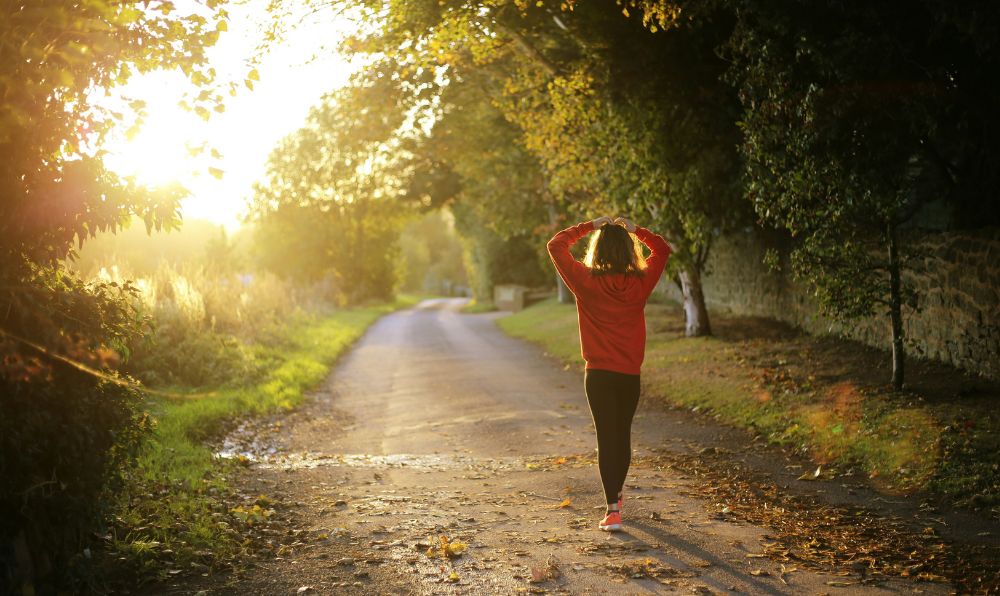
Why Women’s Health Matters in Autumn
Why Women’s Health Matters in Autumn
Eliza Withers, co-founder and Director of APPI Clinics, tells us about the importance of women’s health post-summer
What are some of the common issues that women might have after summer?
I commonly hear that women struggle getting back into a regular routine after the summer holidays. It’s a wonderful time but also a time of high servitude for our loved ones. Which of course we love but we do switch to an extended period of looking after everyone else in the family first and women tend to fall way down the priority list of looking after ourselves.
What tests/assessments might be useful at this point?
It’s the ideal time for a Body Performance and Longevity Assessment. There is a growing awareness and call for this type of assessment. At APPI Clinics, our Body Performance & Longevity Analysis is a comprehensive, physiotherapist-led assessment designed to help you move better, perform at your best and stay active for longer. Combining advanced performance technology with expert clinical assessment, we evaluate strength, balance, mobility and movement quality to build a complete picture of your physical health. You’ll leave with clear, personalised insights and practical recommendations to improve resilience, reduce injury risk and support your long-term wellbeing.
What are some good habits to start to build over the autumn?
I’m an advocate of a protected routine.
1) Start each day with a ‘body clock reset’. On waking, open the curtains, or ideally step out the back door, and take in whatever daylight there is. Starting your day by exposing yourself to natural daylight—whether by opening the curtains or, even better, stepping outside for a few minutes—is one of the simplest habits with a surprisingly wide range of benefits. It’s often called a “body clock reset” because it helps synchronize your internal circadian clock with the day-night cycle.
2) Prioritise strength training. Aim for 2–3 sessions per week focusing on the whole body. Strength training helps maintain muscle mass, supports bone health, improves posture, and reduces the risk of injury as we age.
3) Move every day. Try to accumulate 30 minutes of moderate activity most days and vary it up to target different fitness components and incorporate mindfulness. Think brisk walking, cycling, swimming, pad, Pilates, Yoga or dancing.
4). Make recovery part of your routine. Quality sleep, adequate hydration, and rest days are essential for allowing muscles and joints to recover and adapt to exercise.
What would make the biggest difference to a woman’s health that they can start today?
- Look after your pelvic floor. Practice pelvic floor exercises regularly, particularly during and after pregnancy and throughout menopause. A healthy pelvic floor supports bladder and bowel function and contributes to core stability.
- Include balance exercises. Practise balance for a few minutes several times a week by standing on one leg, walking heel-to-toe, or incorporating yoga or Pilates. Good balance is important for preventing falls and maintaining confidence in movement.
- Spend time outdoors in daylight. Get outside each morning if possible. Natural daylight helps regulate your body clock, supports vitamin D production, boosts mood, and can improve sleep quality.
- Join a group and become part of their community. It may be a regular exercise class, running club for walking groups. Exercising is always easier when you’re not doing it alone. Being part of a supportive group keeps you motivated, makes you more likely to stick with your routine, and adds a little fun along the way. Whether it’s sharing a laugh, celebrating progress, or simply knowing others are expecting you, a great exercise community can boost both your physical and mental wellbeing.
Any tips on building the right mindset?
Here are some tips I often share with women in clinic to help build a positive mindset around prioritising their health and wellbeing:
- View exercise as self-care, not self-indulgence. Women often prioritise others first and can view exercise for themselves as an indulgence. Not true! Looking after your health isn’t selfish – it’s an investment in your ability to care for yourself and those around you.
- Focus on feeling, not appearance. Aim such as feeling stronger, more energetic, sleeping better, moving with more confidence supports a healthier mindset.
- Start small and be consistent. For time short women, remember a 20-minute walk or two strength sessions a week done consistently will always have a greater impact than an overly ambitious and unrealistic plan you can’t maintain.
- Schedule your wellbeing like any other important appointment. Put exercise, meal planning, and recovery into your diary as protected time. Don’t fall into the trap of shifting it to accommodate all of life’s other busy events.
- Progress, not perfection. Missing a workout or having an off week is ok. Simply pick up where you left off and keep moving forward.
- Find your ‘why’. Think beyond short-term goals. Whether it’s keeping up with your children, staying active through menopause, or ageing well, having a meaningful reason makes it easier to stay committed.
- Surround yourself with support. Exercising with friends, joining a class, or working with a physiotherapist or coach can provide encouragement, accountability, and make the journey more enjoyable.