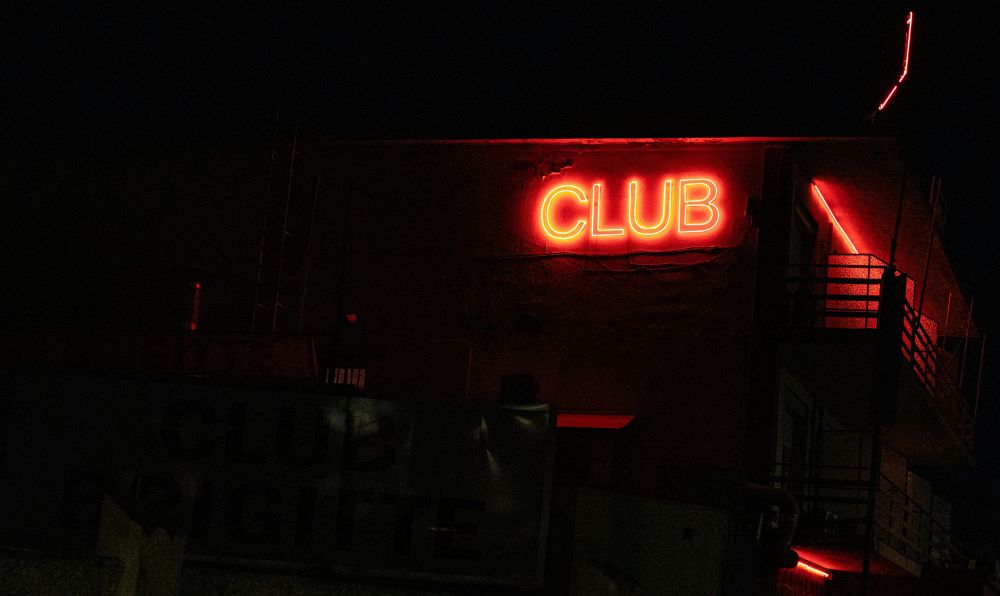
Private Members Clubs vs Public Luxury Venues
Private Members Clubs vs Public Luxury Venues
For affluent residents of South West London and Surrey, the social circuit increasingly splits in two: the guarded world of private members’ clubs and the polished accessibility of high-end public venues. Choosing where to spend time and money is no longer just about what’s available, but about the kind of atmosphere and social experience one actually wants.
The choice is no longer about finding a table at a decent restaurant or a quiet corner for a drink. It is a strategic decision between the “golden handcuffs” of a subscription model, which promises a curated community and guaranteed privacy, and the freedom of the open market, where variety is king. Understanding the subtleties of these two distinct worlds is essential for anyone looking to maximise their social capital and leisure experiences in the metropolis.
The Appeal of Exclusivity and Privacy
The resurgence of the private members’ club is one of the most significant trends in London’s hospitality sector. Once the preserve of the aristocracy or specific professional guilds, these venues have evolved into lifestyle hubs that combine coworking spaces, wellness centres, and late-night entertainment under one roof.
The appeal lies heavily in the curation of the crowd. Members pay a premium not just for the facilities, but for the assurance that they will be surrounded by like-minded individuals in a vetted environment.
This sector has seen explosive growth recently, driven by a demand for safe, controlled social spaces. There are now more than 133 private members’ clubs in London. This density suggests that exclusivity is no longer a niche commodity but a thriving industry standard for the wealthy. The club, by today’s standards, is less about stuffy leather armchairs and more about rooftop pools, celebrity chefs, and privacy policies that ban photography, ensuring that what happens inside stays inside.
That instinct for selective access is not confined to physical venues. In online spaces, similar patterns appear. Some sports bettors, for example, deliberately choose operators not on the list of restrictive national registers, seeking bigger betting markets, higher limits, or fewer limitations on how they participate, whether it’s using crypto to place a bet or accepting a bigger bonus or promotion. The motivation reflects the club member’s mindset: autonomy, discretion, and access to a wider field of opportunity.
Other online experiences, such as invitation-only investment communities, private trading groups, and members-only content platforms, all trade on scarcity and controlled entry. The appeal is not merely functional; it is psychological. Restricted access signals status and promises a more tailored environment.
The pace of this expansion is historically unusual, signalling a change in how Londoners view their “third places” outside of home and work. More clubs have opened in the past four years than in the three decades following the 1985 launch of the Groucho Club.
For the prospective member, this means more choice than ever before, but it also creates a contradiction: as clubs proliferate, does the currency of “exclusivity” become diluted? The most prestigious venues are responding by tightening their vetting processes and raising joining fees, ensuring that the allure of the velvet rope remains intact.
Flexibility and Variety of Public Luxury Venues
While the privacy of a club is seductive, the commitment it requires, both financial and social, can be stifling for those who crave variety. Public luxury venues offer a compelling counter-narrative: the freedom to explore. London’s high-end restaurants and bars are world-class, and restricting oneself to a single dining room, no matter how opulent, can feel limiting. The public venue allows for spontaneity; one can dine in Mayfair on Friday and explore a new opening in Richmond on Saturday without the burden of an annual subscription.
The public sector is fighting back with elevated experiences that rival members-only spaces. High-end hotels and independent luxury venues are creating “club-like” atmospheres without the membership hurdles, offering personalised concierge services and private dining rooms to the general public.
This sector remains strong despite the economic headwinds that often affect broader hospitality. UK nightclub industry revenue is expected to grow at a compound annual rate of 18.1% over the five years through 2025-26. This growth indicates that a vast segment of the affluent population still prefers the energy and unpredictability of the open nightlife economy over the sanitised environment of a club.
Deciding Where to Invest Your Leisure Time
The decision between joining a private club and relying on public luxury venues depends on one’s lifestyle requirements. For the business leader who needs a consistent, impressive space for meetings and a reliable gym in the city centre, the membership fee is a justifiable business expense. The club becomes an extension of the home and office, a predictable sanctuary in a chaotic city.
However, for the social explorer who values culinary diversity and the atmosphere of a mixed crowd, the public luxury sector offers much better value. The thousands of pounds saved on joining fees can be redirected towards exceptional experiences across the capital’s diverse hospitality sector.
The smartest approach may be a hybrid one: holding a single membership for utility and privacy, while keeping the social calendar open to the delights of the public sphere.