
10 Essential Questions to Ask When Buying a Used Car
10 Essential Questions to Ask When Buying a Used Car
It is common to be both excited and scared when shopping for a used car in the UK. We hope to get a great deal, but worry about hidden issues. And as the average used car price in the UK is £17,000, the process can be intimidating. Asking specific questions will help you to successfully purchase a used car, so you won’t buy a defective car.
1. Why is the car for sale? And what to look for when buying a used car
Understanding why the seller is selling can improve your negotiation leverage. For example, when a seller has a defined reason for selling, this may lead to context on why they are selling and provide you with some comfort that there are no unethical reasons for the sale. On the contrary, if the seller has a vague or evasive reason for selling, this should raise a red flag.
Private Seller vs. Dealer: Different Stories
Before buying a used vehicle, it is wise to ask the seller why they are selling it. Their reply will provide insight into whether there are any issues with the vehicle and why they are looking to get rid of it. On the other hand, if you are thinking of buying from a dealer, it is advisable to find out where they obtained their vehicle(s) to have an idea about previous ownership.
Listening Between the Lines
Some sellers will give you clues about their car’s real condition by making statements when speaking with you regarding the sale of their vehicle. Examples of such indications are the following expressions. “The car only needs a bit of tender loving care”, or “the brakes were in great condition the last time I checked them”. Both expressions should raise red flags concerning the car’s condition that the seller may not want you to discover.
2. What is the current mileage (and does it check out)?
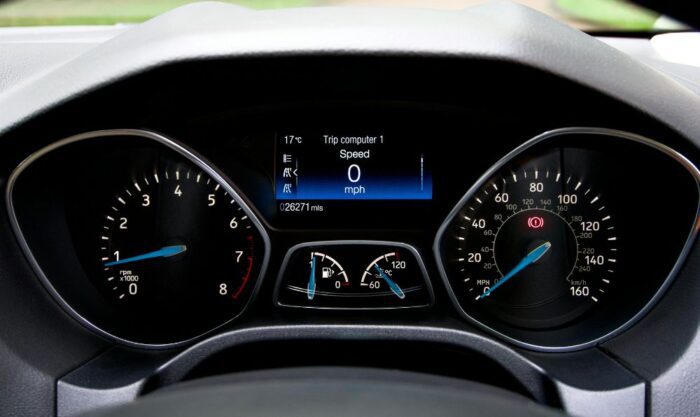
Mileage has a big impact on a car’s value and wear. Buyers should verify that the mileage is accurate. Key points to include:
The Critical Verification Step
Before buying or accepting the car, you should confirm the stated mileage. This is comparatively simple and cost-free in the UK. You can use the official MOT history checker provided by the UK government to see the recorded mileages each year and ensure they align.
Contextualising High and Low Mileage
Don’t be automatically put off by a higher number. Engine wear is less about total miles and more about the type of driving and quality of maintenance, so everything is relative, and the past pattern of use should also be considered.
Physical Clues That Tell the Truth
There are also certain signs that the mileage might be falsified. If you notice worn pedals or torn seats in a low-mileage car, missing service stamps or similar, that might indicate tampering and should raise concern.
3. What is the service history like (and are any major services due)?

A vehicle’s service history is its medical record. It’s the single most important document in proving how it has been cared for and predicting its future reliability.
Deciphering the Service Record
Ideally, you want to see a full service history, meaning that the car has been serviced at the recommended intervals, either by a main dealer or a reputable independent garage, with stamps in the book or invoices to prove it. Partial history is common but requires more scrutiny.
The MOT History: A Story of Advisories
The MOT certificate itself is another powerful aid. An advisory note that appears one year and is gone the next suggests the issue was fixed properly. However, a recurring advisory that appears year after year indicates a problem that has been ignored or is chronic.
The Looming Expense: Upcoming Major Services
Research which components are critical for the specific model you are looking for, and ask whether they have been replaced within the recommended intervals. It is often possible to estimate roughly when the cam belt will need changing, for instance.
4. What is the condition of the tyres and brakes?

Your tyres and brakes are critical components that not only help keep you safe, but also provide a strong indication of how well the car has been maintained and cared for in recent times.
A Thorough Tyre Interrogation
A full set of new tyres can be an expensive investment that is unwelcome when having already paid for your used car. Consequently, you may want to check how much tread is left when checking out the applied car. Selecting cars with at least 3mm of tread left will give you time before needing to replace the tread. Please remember, however, that the legal minimum for tread depth in the UK is 1.6mm.
Understanding Brake Wear and Its Signals
Brakes naturally wear down over time and will need replacing eventually. Ask the seller when they were last serviced. When you test drive the car, the brakes should feel firm and shouldn’t pull the car to one side.
The Often-Forgotten Spare
When you open the trunk of the car, make sure there is a spare tyre, and it is still usable. While having a bad or flat spare tyre, or no spare at all, is not a huge problem by itself, it does show how thoroughly the car was prepped for sale.
5. Has the car ever been in an accident?

Most sellers will be honest, but some may omit or downplay an incident, believing “it was properly repaired.” Your job is to uncover the full history and assess the quality of any work done.
The Direct Approach and Visual Forensics
Ask the seller directly if the vehicle has ever had bodywork or been in an accident. Watch how the seller reacts. Even if they say no, you should still be cautious because not all accidents are reported. You can also search for mismatched paint, uneven gaps between the different panels, or inspect new-looking parts to help identify potential repairs.
The Digital Truth: Vehicle History Reports
Never rely solely on the seller’s word. Services like carVertical provide detailed vehicle history reports by checking a car’s VIN against insurance, finance, and police databases. As a vehicle history reporting platform, carVertical explains how to answer the common question, “Has my car been in an accident?” or “How to check if car was used as taxi?”, helping buyers avoid costly surprises and hidden damage.
Assessing the Impact of Past Damage
Some accidents, like a Cat N write-off, might have been due to cosmetic hail damage that an insurer economically totalled. However, a Cat S repair requires expert assessment. The crucial point is to know before you buy, as hidden or poor-quality repairs can lead to rust, alignment issues, and compromised safety in a future collision.
6. How many previous owners has the car had?

While not a definitive measure of quality, ownership history provides valuable context about the car’s life and how it might have been treated. Besides questions to ask when buying a second hand car, having access to documentation can help you discover potential issues as well.
The V5C Logbook: Your Source of Truth
The number of previous keepers is listed in section 3 of the UK V5C registration document. Ensure the seller is the named “Registered Keeper.” Second, note the number of owners. A car that’s had one careful owner for ten years is often a more appealing prospect than one that’s passed through five hands in the same period.
Interpreting the Numbers
Context matters. A sporty convertible might naturally have more owners seeking short-term fun. A practical family SUV may not have as many owners as a standard car. Therefore, the number of owners can sometimes be less important than the reason why the car has changed hands.
The Paper Trail Connection
You will often find that single-owner cars have great documentation, while cars that have had many different owners often lack crucial documents or service papers. This is not always a bad or good thing, but it can help you narrow down which cars to inspect more closely.
7. Can I see the car’s paperwork (V5C, service records, MOT certificates)?

Asking to see the relevant paperwork can help you figure out important details about the car you are looking to buy.
The VIN Match: Confirming the Car’s Identity
To verify that a car’s VIN is associated with the expected data, always verify this by checking the VIN against the original. The VIN is usually placed on a metal plate on the dashboard where the glass meets the dashboard. Compare each character of the VIN using the 17-digit format. And if any characters do not match exactly what appears on the logbook, ask why.
Building the Complete History File
The service history & MOT records should be reviewed in chronological order, where you can check for continuity, compare mileage in the service book with that on the MOT certificates, and check for invoices on components such as battery, tyre & exhaust replacements.
The Devil in the Details: Manuals and Keys
The owner’s manual plus separate radio/satnav/system manuals is another important thing to check. Finally, note how many keys are provided with the vehicle, as most recent models will provide at least 2 remote fobs. If you’ve lost an electronic key, it can be very costly to replace, often costing £200-£300 from a main dealer.
8. Is the car free of outstanding finance or liens?

In the UK, buying a car with unpaid finance is one of the riskiest mistakes you can make. The debt stays with the vehicle, not the seller.
Understanding the Risk
If the previous owner bought the car on a Hire Purchase or Personal Contract Purchase agreement and still owes money, the finance company retains legal ownership. Even if you pay the seller in full, you could be left without a car and out of pocket.
The Essential Check and How to Do It
You must conduct a dedicated outstanding finance check. Reputable vehicle history checks include this as a core part of their search. The cost is minimal compared to the financial catastrophe it can prevent.
What if Finance is Outstanding?
If the check reveals financial issues, you should stop the process immediately. The only safe way forward is for the seller to contact their finance company, obtain a settlement figure, and pay it off in full before you purchase the car. Only then should you proceed.
9. Can I take the car for a test drive?
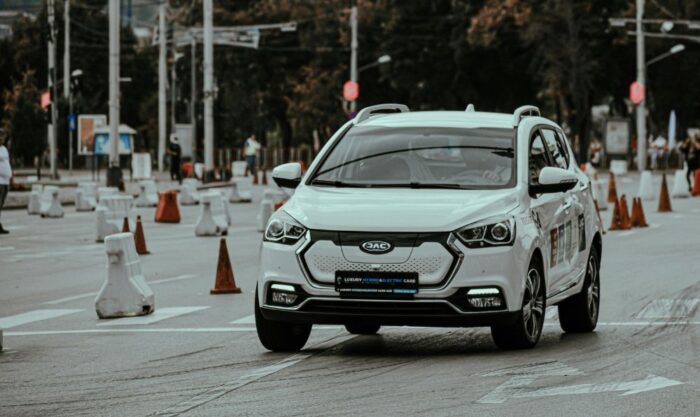
No purchase should happen without a proper test drive, as it helps you identify potential issues that could otherwise be easily overlooked.
Preparing for the Drive: Insurance is Paramount
Make sure you are legally insured or otherwise covered before taking the car out for a spin. If buying from a dealer, they will have trade insurance that covers you. For a private sale, you must arrange your own cover or rely on theirs. Do not drive uninsured.
The Comprehensive Test Drive Routine
A proper test drive should last at least 20-30 minutes and include a variety of road types. Check for the following during your drive:
- Cold Start
- Urban Driving
- Open Road & Dual Carriageway
- Suspension Check
- Brake Test
- Unexpected Noise
- Straight Steering
- Engine Stuttering
10. Can I have the car inspected by a mechanic?
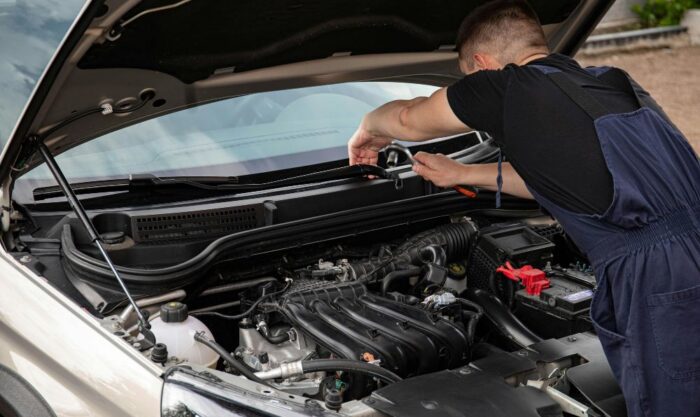
For many buyers, especially those not mechanically minded or when considering a higher-value vehicle, a professional pre-purchase inspection is the best money you can spend.
What an Inspection Covers
Inspections are available through organisations such as the AA and RAC and through a variety of independent garages. A qualified mechanic will carry out a thorough inspection, which you would be unable to achieve as a general critic, and produce a detailed written report grading various automobile components and drawing attention to any prior, present and future potential issues with those components.
The Seller’s Response is a Litmus Test
A seller that doesn’t have anything to hide will almost always agree to allow you to inspect the vehicle, but generally, you will be responsible for towing the vehicle to the location of the garage, at your own expense and arrangements. If the seller isn’t willing to allow a third-party inspection, this indicates an enormous red flag. This is a very strong possibility that the seller is aware of an issue that they would prefer you not find out.
Using the Report as a Tool
An inspection report can be a valuable tool for negotiation. For example, if the report indicates that there are worn brakes or old tyres, this gives you objective and expert justification to ask for a price reduction to cover the cost of these repairs. Also, if the report reveals a major and costly defect, you now have the option of refusing to buy the vehicle or negotiating a lower price for it.
11. What warranty or buyer protection is provided?

Clarifying the post-purchase safety net is essential before finalising any deal, as your rights differ dramatically depending on who you buy from.
Dealer Warranties: Read the Fine Print
When you purchase a used vehicle from a reputable dealer, most dealers will generally provide some form of a warranty that varies in length from 3 to 12 months. It is important to know exactly what a dealer’s warranty provides you with. Additionally, there may be exclusions that apply to your warranty.
Private Sales: “Sold as Seen”
When buying from a private individual, you buy the car “sold as seen”, meaning you have very limited legal recourse unless you can prove the seller knowingly misdescribed it.
Your Statutory Rights: The Consumer Rights Act 2015
When you buy from a trader, you are protected by powerful consumer law. Under the Act of 2015, the car must be:
- Of satisfactory quality.
- As described.
- Fit for any particular purpose you made known to the trader.
Crucially, if a fault arises within 30 days of purchase, you have a short-term right to reject the car for a full refund. After 30 days and up to six months, you must give the trader one opportunity to repair or replace the car.
Final Tips For Buying a Used Car
Prior to viewing a vehicle, please make sure all of your research is complete. Essentially, if you have gathered information, then you can confidently negotiate for an appropriate price and determine whether or not a vehicle complies with local clean air zone emissions regulations. Therefore, take the time to either print or save this used car buying checklist, and take it with you when you go to see vehicles.
You should now be ready to find an excellent used vehicle that will provide you with years of trouble-free driving. Good luck with your hunt!