Exploring London Through Football, Culture and City Life
Exploring London Through Football, Culture and City Life
London is one of the few cities where a football match can easily become part of a much bigger day out. A fixture can be combined with a walk through a historic neighbourhood, a meal, an exhibition, a riverside drink or an evening spent exploring the city.
The capital’s football culture also varies from district to district. Arsenal, Chelsea, Fulham, Tottenham Hotspur, West Ham United, Crystal Palace and other clubs each have their own surroundings, traditions and supporter communities. That means choosing a match can also mean choosing which part of London to experience.
Start With the Match
For anyone planning a London football day, the fixture is the obvious place to begin. Supporters travelling into the capital can look at premier league tickets when deciding which match fits their schedule, then build the rest of the day around the stadium and surrounding neighbourhood.
Allowing extra time before kick-off can make the experience considerably more relaxed. London’s extensive public transport network means most major grounds are accessible by Underground, Overground, bus or rail, but matchday crowds can add time to a journey. Arriving early also leaves an opportunity to explore the area rather than going directly from the station to the turnstiles.
The choice of stadium can shape the rest of the itinerary. A match at Stamford Bridge places supporters in west London, while fixtures at Selhurst Park provide an opportunity to explore Crystal Palace and south London. A game at Craven Cottage, meanwhile, can be combined with a walk beside the Thames.
Explore the Neighbourhood Around the Ground
Some of London’s football grounds are surrounded by neighbourhoods that are attractions in their own right. Fulham is particularly suited to a slower matchday because Craven Cottage sits beside the Thames and close to green spaces.
Fulham Pier has also changed the character of the riverside around the stadium, introducing restaurants, entertainment and public spaces alongside the river path. That means supporters can turn a football visit into a broader afternoon around the Thames rather than simply arriving for the fixture.
Time & Leisure’s guide to Fulham explores the area around the stadium and the riverside development, making it useful for anyone planning to combine football with food and a walk.
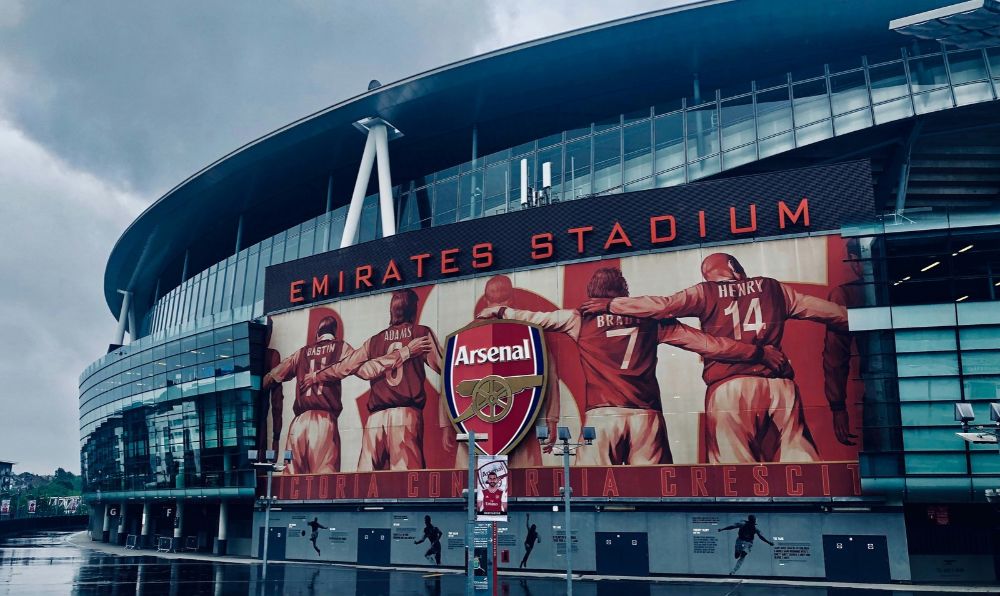
Other areas offer a different experience. Around Arsenal’s Emirates Stadium, Holloway and Highbury provide access to cafés, pubs, independent businesses and residential streets that reveal a quieter side of north London. At Tottenham Hotspur Stadium, supporters can explore Tottenham itself, while West Ham’s move to Stratford places football within reach of the Queen Elizabeth Olympic Park and the wider attractions of east London.
Football Is Part of London’s Wider Culture
The relationship between football and London extends far beyond professional clubs. The city has countless amateur teams, community leagues and supporters’ groups, making the sport part of everyday life rather than simply something that happens inside large stadiums.
A recent exhibition at the London Transport Museum explored that connection through the London Underground Football League. The competition, which began in 1996, reached its 30th anniversary in 2026 and includes teams representing Transport for London staff across Tube lines and other services. Time & Leisure covered the exhibition, highlighting how football can connect people across different parts of the capital.
That grassroots culture gives London football another dimension. The biggest clubs attract global audiences, but the sport also exists in workplaces, parks and local communities throughout the city.
Add Culture to a Football Weekend
London’s size makes it possible to combine a football match with an enormous range of cultural experiences. Visitors can spend the morning in a museum, gallery or historic district before heading towards a stadium in the afternoon.
The timing of the match matters. An early kick-off might suit supporters who want dinner and an evening show afterwards, while a later fixture could be paired with a museum visit or leisurely lunch beforehand.
The city also has plenty of outdoor spaces that work well around a match. Richmond Park, Hampstead Heath, Greenwich Park and Battersea Park provide opportunities to escape the busiest parts of London without travelling far.
Time & Leisure’s recent London parks guide highlights locations including Crystal Palace Park, Wandsworth Park and Marble Hill Park. Such spaces demonstrate how easily a sporting trip can be combined with time outdoors.
Make Food Part of the Itinerary
Food is another straightforward way to expand a football day. London stadiums are surrounded by restaurants, cafés, traditional pubs and independent food businesses, giving visitors plenty of choice before or after a game.
There is no need to stay immediately beside the ground either. London’s transport connections make it possible to eat in another neighbourhood and then travel towards the stadium. That can be particularly useful for supporters meeting friends from different parts of the city.
For a more traditional matchday experience, a pub close to the ground can provide an opportunity to meet other supporters and absorb the atmosphere before kick-off. For visitors more interested in London’s restaurant scene, the fixture can simply become one part of a longer evening.
The Business Behind London’s Biggest Clubs
The scale of the capital’s football industry is another reason the sport has such a visible presence. London’s clubs operate as major sporting institutions as well as entertainment businesses, attracting international supporters, commercial partnerships and enormous audiences.
Forbes’ 2026 ranking of valuable soccer teams illustrates the financial scale of the modern game. The ranking includes 11 English Premier League clubs among the world’s 30 most valuable soccer teams, reflecting the continued commercial strength of English football.
That financial importance is visible throughout London. Stadium redevelopments, hospitality facilities, transport improvements and new entertainment destinations have all changed how supporters experience matchdays.
See More Than the Stadium
The best way to experience football in London is not necessarily to make the match the entire itinerary. The city offers too much around its clubs for that.
A football fixture can provide the focus for a day spent exploring architecture, parks, museums, restaurants and neighbourhoods. Supporters can experience the noise and intensity of a match before stepping back into the wider rhythm of London.
That combination is what makes football in the capital distinctive. The stadium is only one part of the experience. Beyond its gates, an entire city is waiting to be explored.